
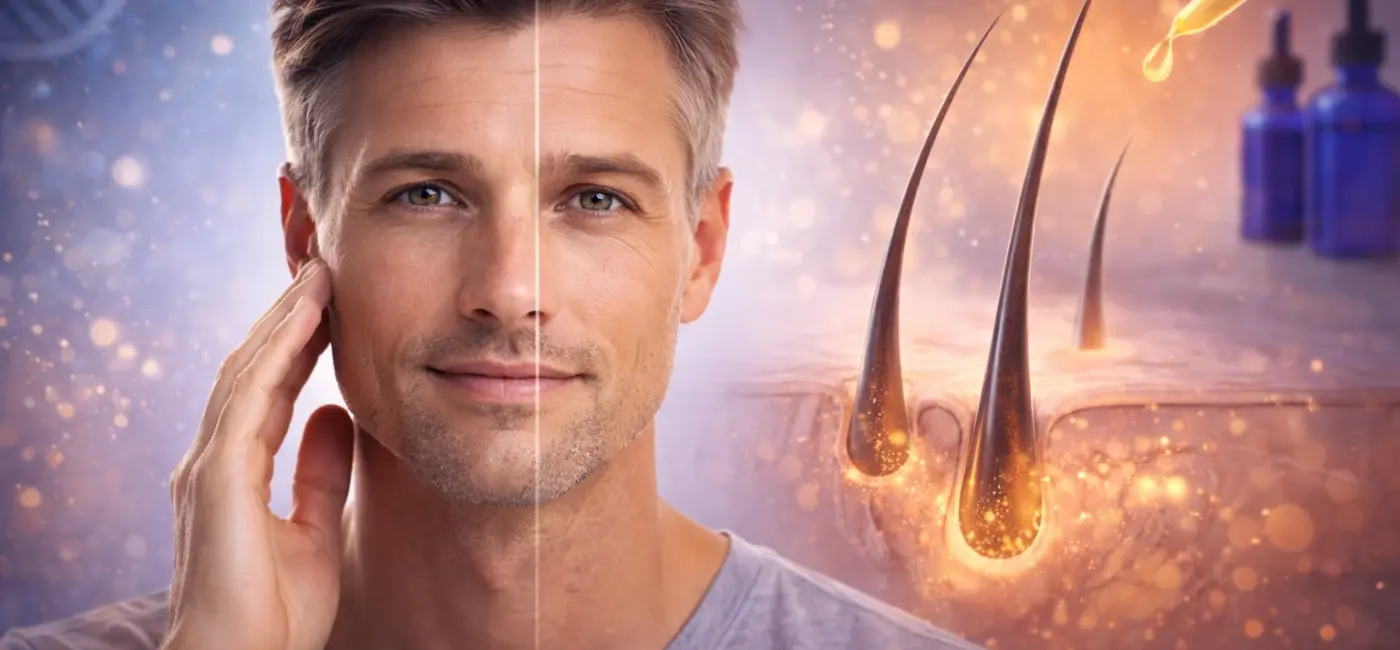
GHK-CU Copper Peptide for Skin & Hair Health
When collagen levels drop, it affects more than just wrinkles. Skin texture, elasticity, and scalp health can also change. Many people start to notice early aging and hair thinning in their thirties, which is why GHK-CU copper peptide is getting more attention in collagen therapy and regenerative treatments.
Products like Glow GHK-CU 100mg are designed to help your body repair itself, not just improve how your skin looks on the surface. If you are thinking about injectables for skin or early hair thinning, it’s important to learn how copper peptides work before making a choice.
Collagen Decline, Skin Aging & Hair Thinning
As we age, our bodies make less collagen. After your mid-twenties, the cells that produce collagen slow down, and things like stress, inflammation, and environmental damage can make this happen even faster.
Skin changes may include:
- Fine lines
- Reduced elasticity
- Slower healing after procedures
- Thinner or less resilient texture
Hair can start thinning early because hair follicles react to inflammation, stress hormones, and less blood flow. Often, changes in the scalp happen before you notice any hair loss.
Supporting collagen and tissue repair early on may help keep your skin and scalp healthy as you age.
What Is GHK-CU?
GHK-CU is a natural copper-binding peptide found in human plasma. Researchers have studied it for its effects on wound healing, tissue repair, and regeneration.
Within collagen peptide therapy discussions, GHK-CU is evaluated for its ability to influence:
- Collagen synthesis
- Elastin production
- Anti-inflammatory signaling
- Tissue repair mechanisms
Injectable copper peptides are different from copper creams you put on your skin. Creams mostly help with surface hydration and appearance, while injectables work deeper in the body and should only be used with a professional’s guidance.
The Science of Copper Peptides & Collagen
Copper is important for the enzymes that help build collagen and elastin. GHK-CU attaches to copper and helps move it to tissues that need repair.
Several mechanisms are relevant when evaluating GHK-CU for skin:
- Activation of fibroblasts
- Stimulation of collagen synthesis
- Support of elastin structure
- Regulation of inflammatory signaling
Peptides that boost collagen don’t directly fill or tighten your skin. Instead, they help your cells talk to each other so your body can make more structural proteins.
This difference is important. Copper peptide treatments help your skin by supporting natural repair processes, not just covering up problems. Any changes you see are from real tissue support, not just a quick cosmetic fix.
GHK-CU for Hair Growth Support
More people are interested in GHK-CU for hair growth because copper peptides play a role in repairing tissue and keeping the scalp healthy.
Hair follicles cycle through three stages:
- Anagen, the growth phase
- Catagen, the transitional phase
- Telogen, the resting phase
Inflammation, stress, and less blood flow can make the hair growth phase shorter and cause hair follicles to shrink. Copper peptides may help by supporting:healthier scalp environment
- Balanced inflammatory response
- Tissue repair around follicles
- Improved local microcirculation
It’s important to have realistic expectations. Copper peptides usually help with early hair thinning, not severe baldness, and they don’t replace surgery or advanced medical treatments.
Early Hair Thinning Case Example
For example, a 38-year-old professional might notice gradual thinning at the crown over two years, with more hair shedding during stressful times. There isn’t major hairline recession, but the hair looks less dense.his case, aggressive hormonal intervention may not be needed. A structured approach could include:
- Stress management
- Nutritional optimization
- Scalp evaluation
- Consideration of collagen peptide therapy to support tissue signaling
Copper peptide treatments can be part of a larger wellness and beauty plan, as long as they’re supervised. Early use usually helps keep hair follicles healthy and stable, rather than causing dramatic regrowth.
A common comparison is between GHK-CU and Regen Beauty +. e focused
- Strong tissue remodeling and repair pathways
- Often considered for hair and targeted skin repair.
Regen Beauty +:
- Broader multi-peptide formulation
- Emphasis on overall skin regeneration
- Frequently integrated into aesthetic anti-aging protocols
If you want focused copper-based repair or help with early hair thinning, GHK-CU might be a good choice. For overall collagen support and full-face skin care, Regen Beauty + could be better.
Neitherproduct is better for everyone. The right choice depends on your goals and a professional’s advice.t.
Safety & Administration Considerations
As with any injectable treatment, copper peptide therapy should be done with professional supervision.
Key considerations include:
- Proper sterile technique
- Individualized dosing protocols
- Monitoring for mild redness or irritation
- Screening for underlying health conditions
Everyone responds differently. The benefits of injectable GHK-CU depend on your overall health, how regularly you use it, and how well it fits into your overall care plan.
Peptide therapy works best when it’s part of a healthy lifestyle, not a replacement for one.
Who May Benefit Most?
GHK-CU may be considered by:
- Adults experiencing early collagen decline
- Individuals noticing mild thinning but not advanced hair loss
- Clients exploring non-hormonal aesthetic options
- Individuals building structured collagen peptide therapy protocols
It may not be ideal for:
- Advanced scarring alopecia
- Individuals expecting immediate cosmetic transformation
- Those unwilling to follow supervised protocol
It’s important to have clear expectations and get advice from a professional.
Frequently Asked Questions
What is a ghk cu copper peptide?
It is a naturally occurring copper-binding tripeptide studied for its role in collagen production and tissue repair.
How does ghk cu for skin work?
It supports fibroblast activity and collagen signaling pathways rather than masking surface concerns.
Can ghk cu hair growth support early thinning?
It may support scalp tissue health in early-stage thinning when integrated into a structured plan.
What is the difference in ghk cu vs regen beauty?
GHK-CU focuses on copper-driven repair pathways, while Regen Beauty + emphasizes broader multi-peptide regeneration.
Is this considered collagen peptide therapy?
Yes. It is often categorized under collagen peptide therapy due to its influence on tissue remodeling.
Is injectable ghk cu safe under supervision?
When administered under qualified supervision with proper screening, safety considerations can be managed responsibly.
A Structured Approach to Skin & Scalp Longevity
Healthy collagen is key for good skin and scalp. Taking action early usually leads to better, longer-lasting results than waiting until problems get worse.
Peptide therapy is most effective as part of a comprehensive plan that includes balanced nutrition, adequate sleep, stress management, and consistent scalp and skincare routines. Micronutrients, circulation, and inflammation control also influence collagen integrity.
Peptides help your cells communicate better, but they can’t change your biology or take the place of basic care. For lasting results, be consistent and work with a professional. If you’re comparing options, check the full details for Glow GHK-CU 100mg and talk to a qualified provider to see if it’s right for you.
Keeping your skin and scalp healthy over time means making informed choices, having realistic expectations, and sticking to a good care routine. It also means understanding that visible improvements rarely happen overnight. Skin texture, elasticity, and hair density respond gradually to supportive care. Small, steady adjustments in your routine often matter more than dramatic changes. Regular check-ins with a qualified provider can help you track progress and make thoughtful adjustments when needed. When care is consistent and expectations are grounded, results tend to feel more natural and sustainable.